
The Directorate of KIRTADS (Kerala Institute for Research Training and Development Studies of Scheduled Castes and Scheduled Tribes), has announced the winners of its state-level quiz competition. The competition was organized with the objective of enhancing students’ awareness regarding the tribal communities of India and their socio-cultural characteristics, with a special focus on the history, traditional knowledge systems, and social life of Scheduled Tribe communities in Kerala.
The state-level competition was held as part of a broader quiz initiative jointly organized by KIRTADS and the Central and State Governments on the topic “Tribal Communities of India and Socio-Cultural Characteristics – With Reference to Kerala.”
The district-level competitions were organized across three categories: Higher Secondary (HSS), College, and Model Residential School (MRS). More than 1,200 students participated in the competitions held across all 14 districts of Kerala. Conducted in cooperation with various schools and colleges across the state, the competition achieved significant success in expanding students’ knowledge and social awareness about tribal communities.
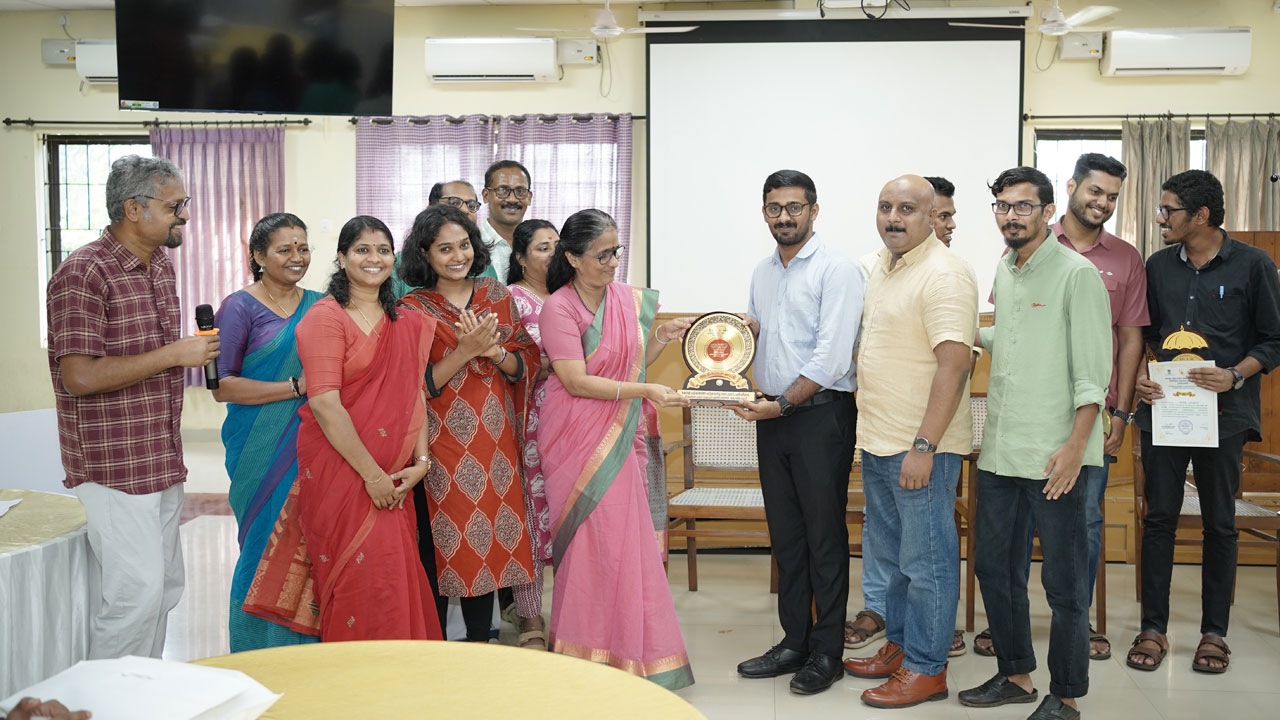
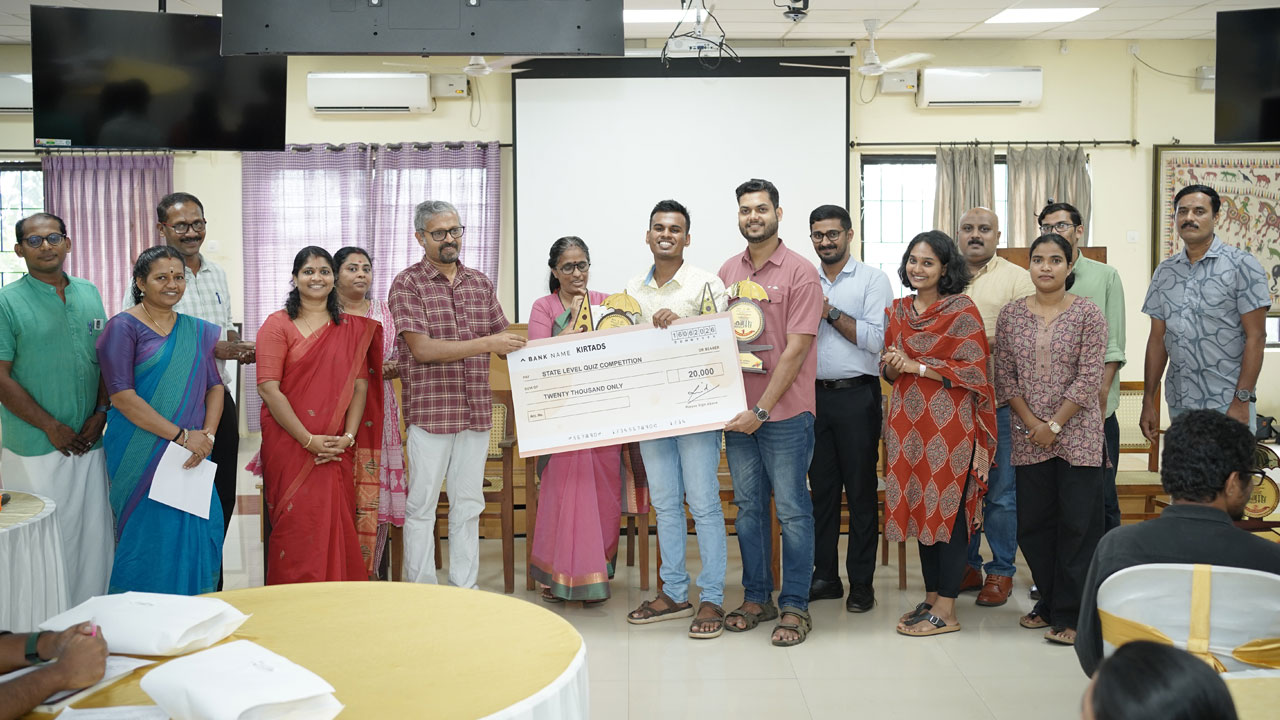
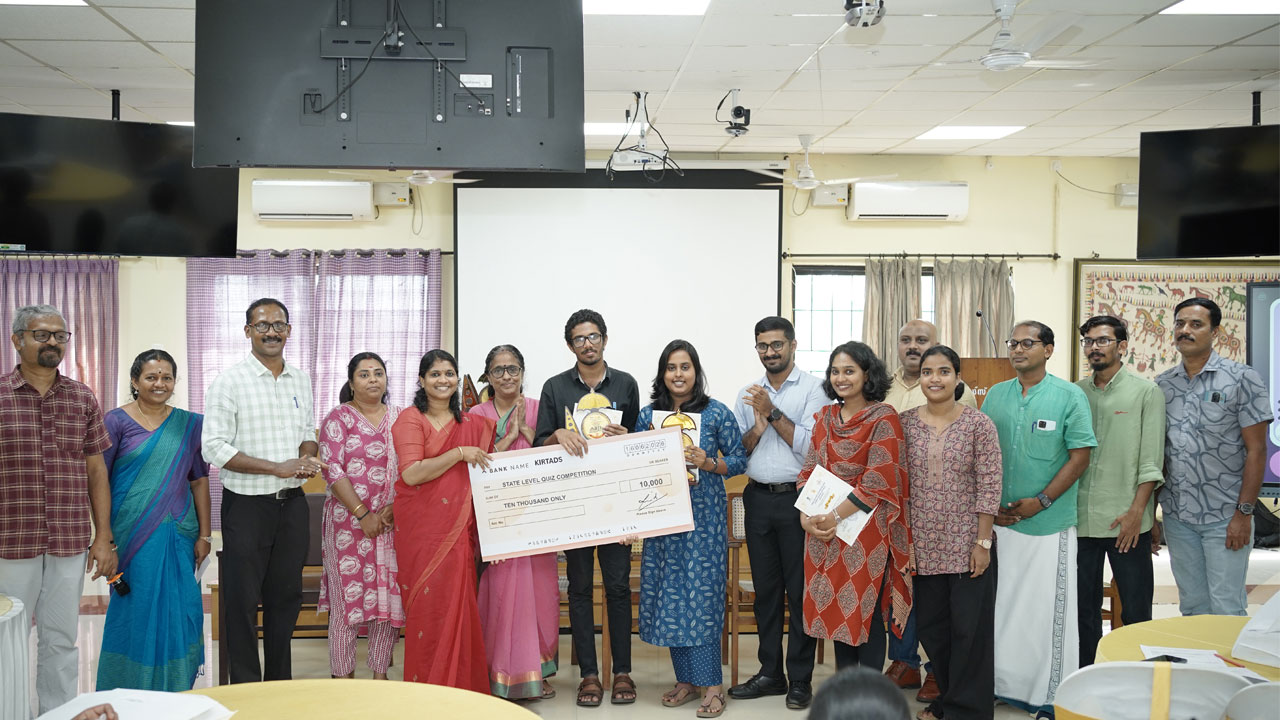
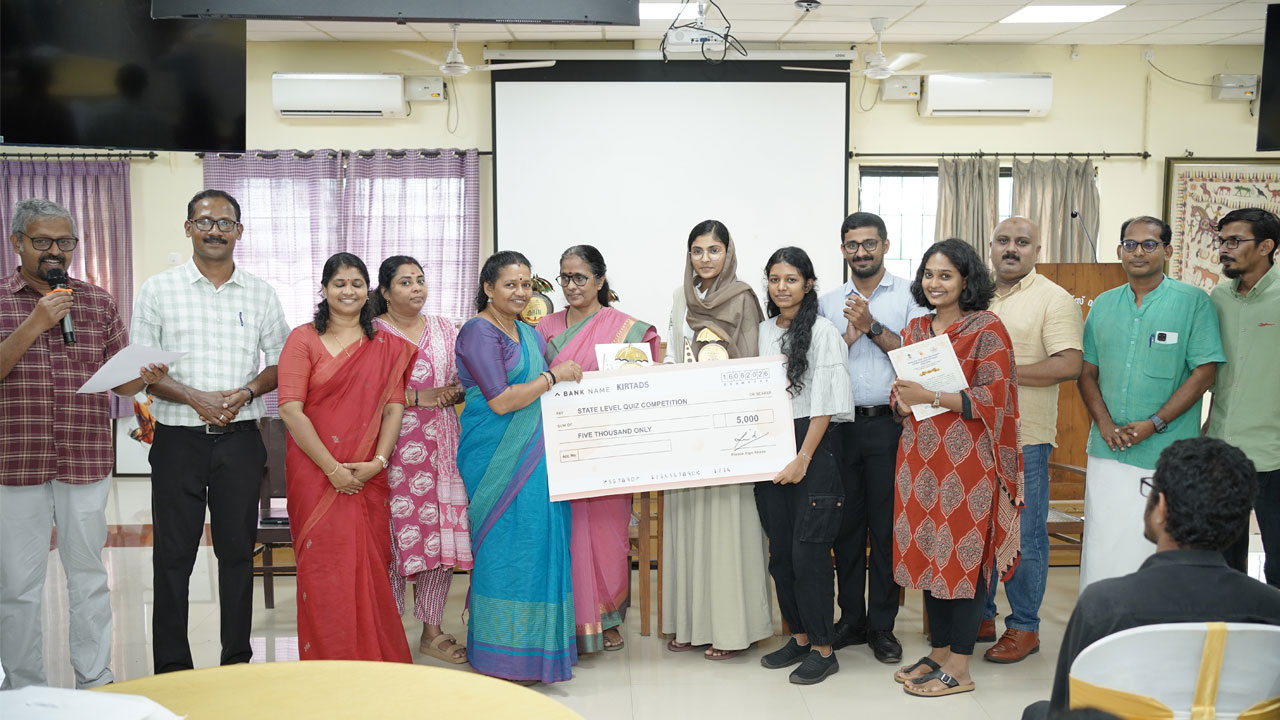
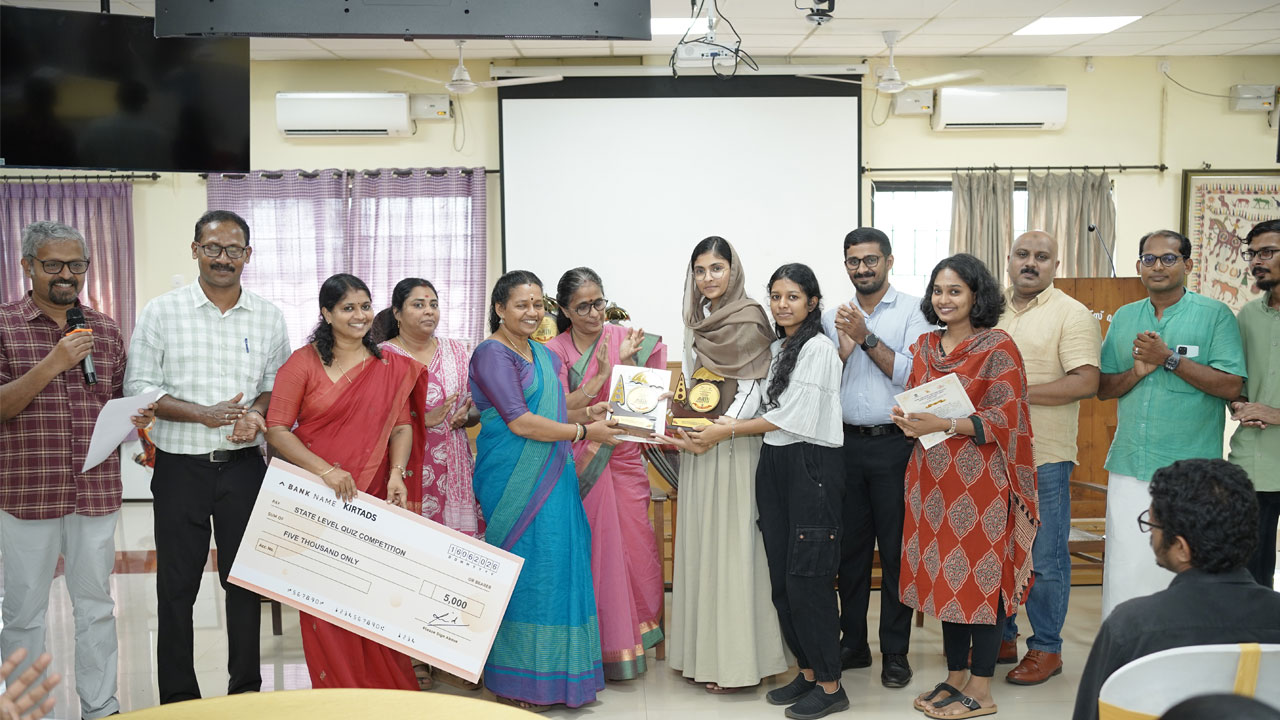
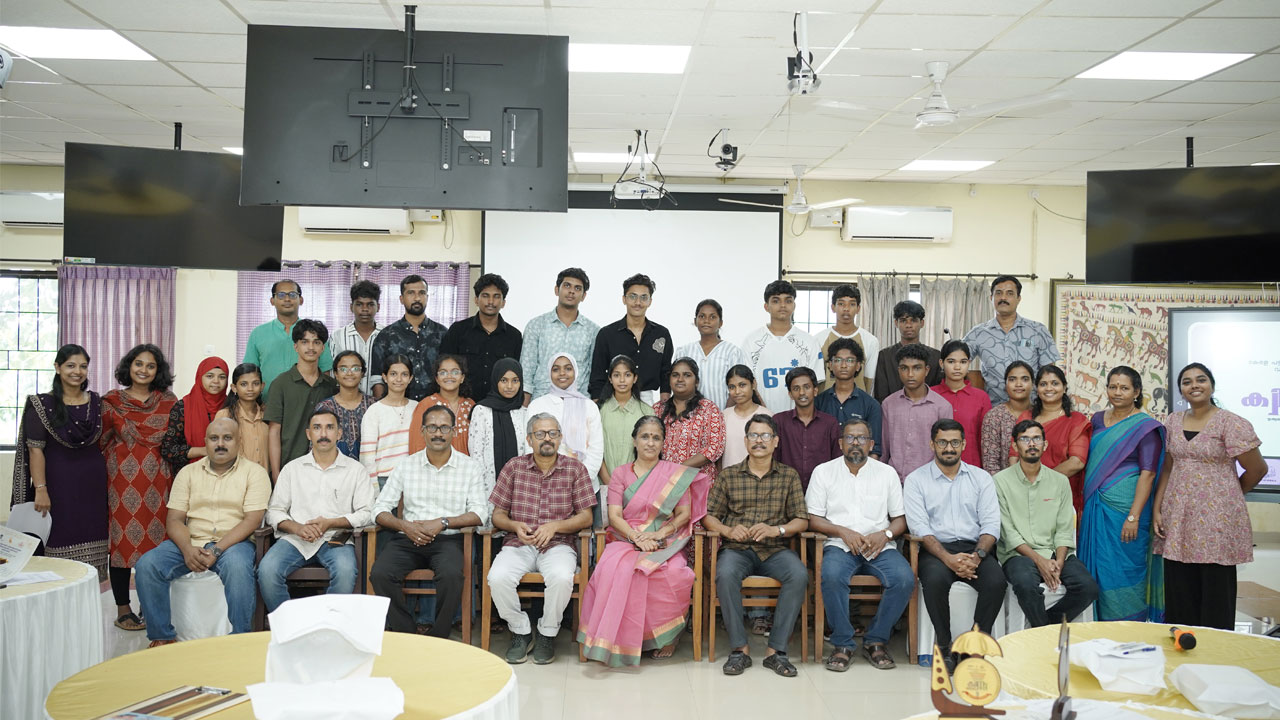
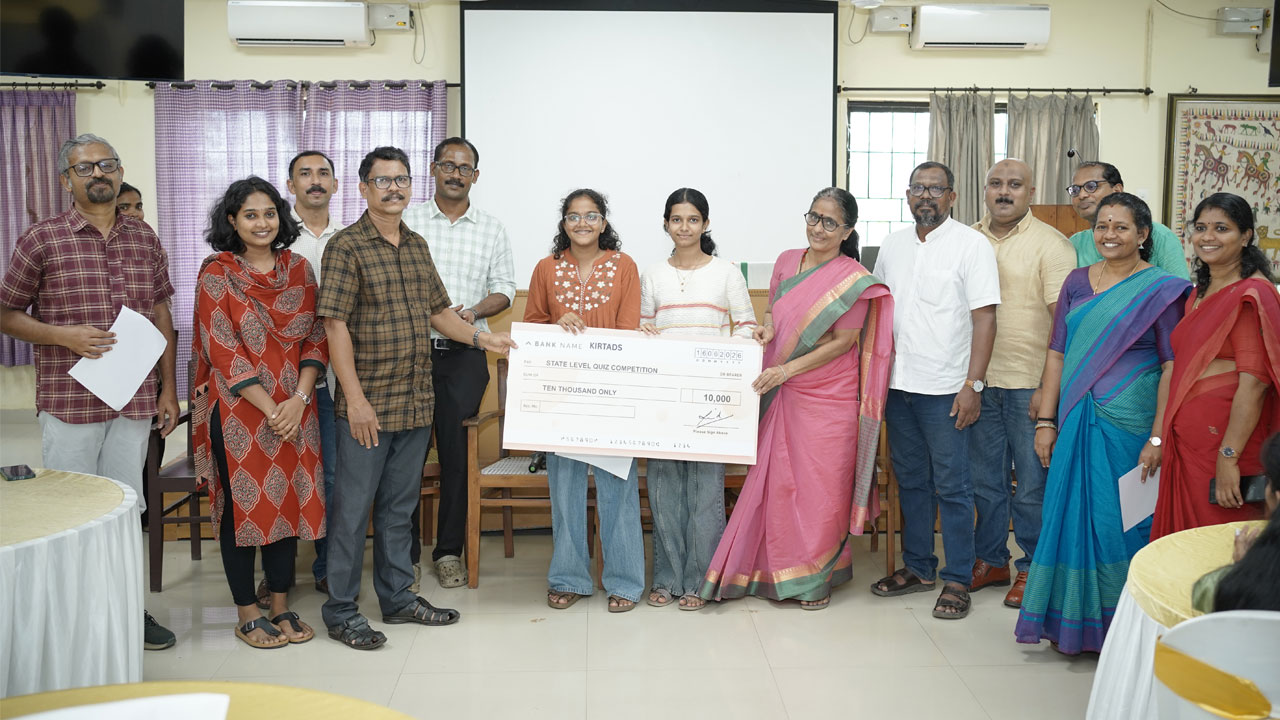
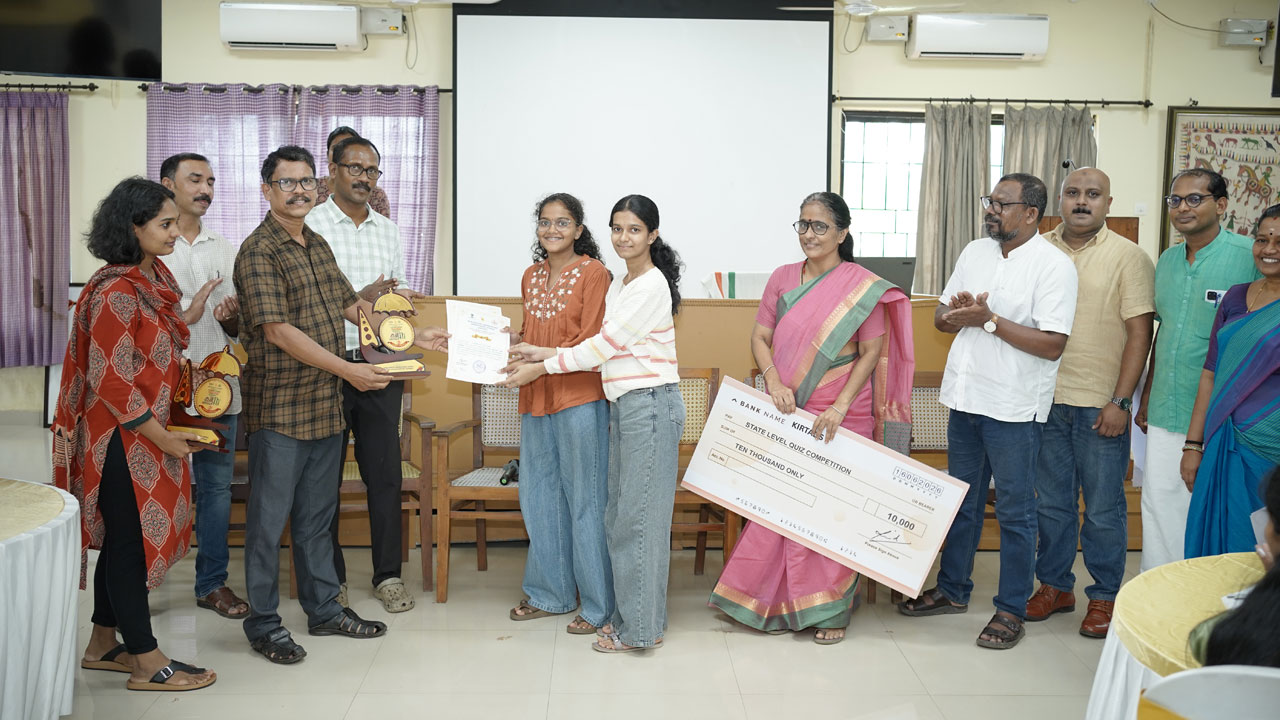
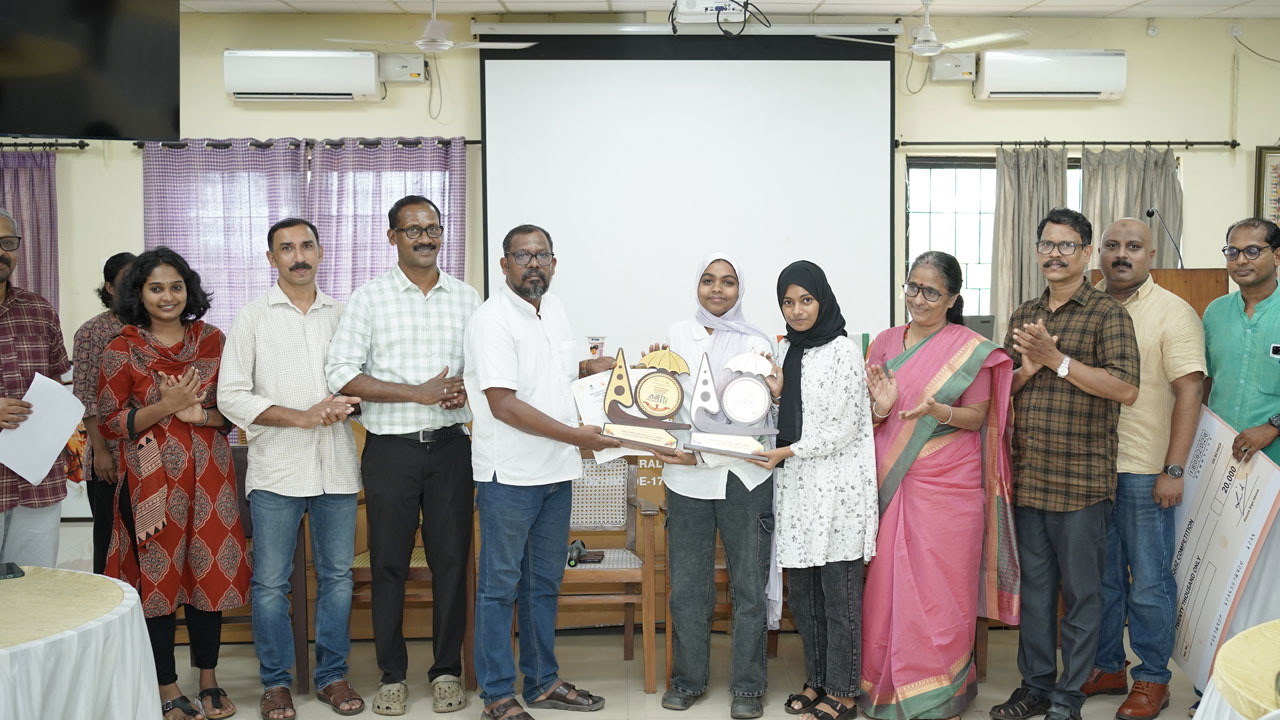
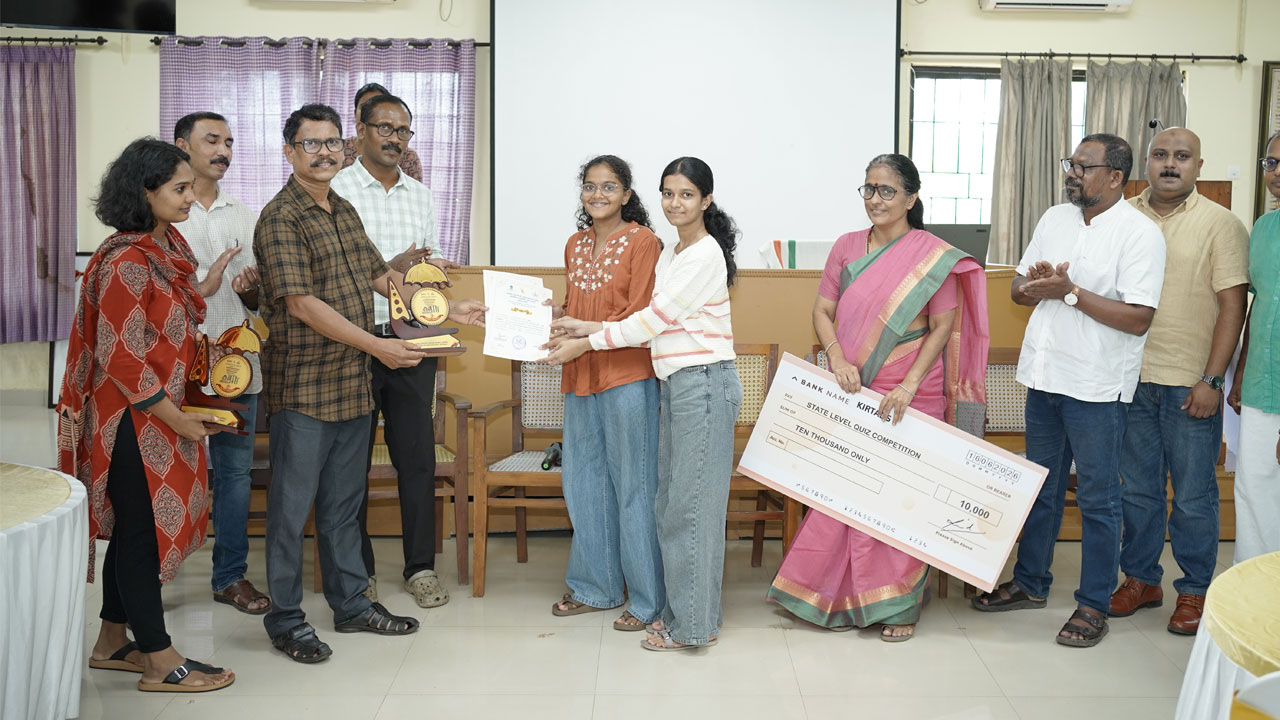
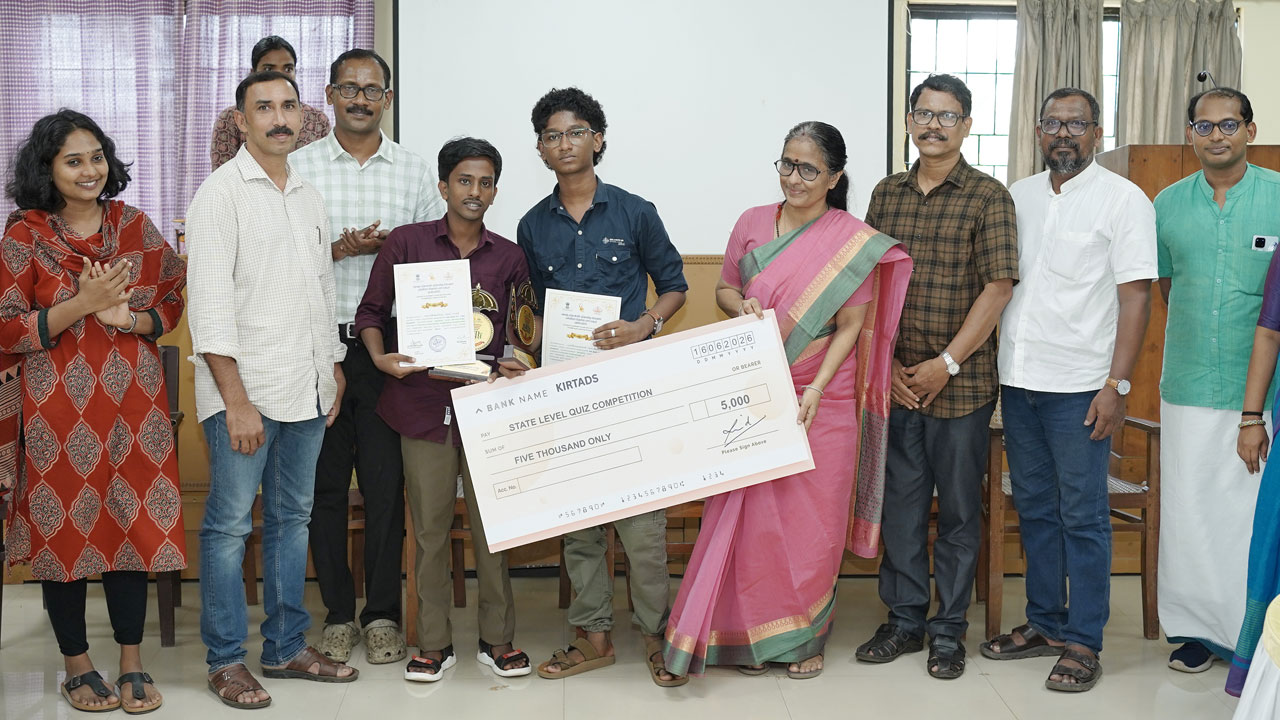
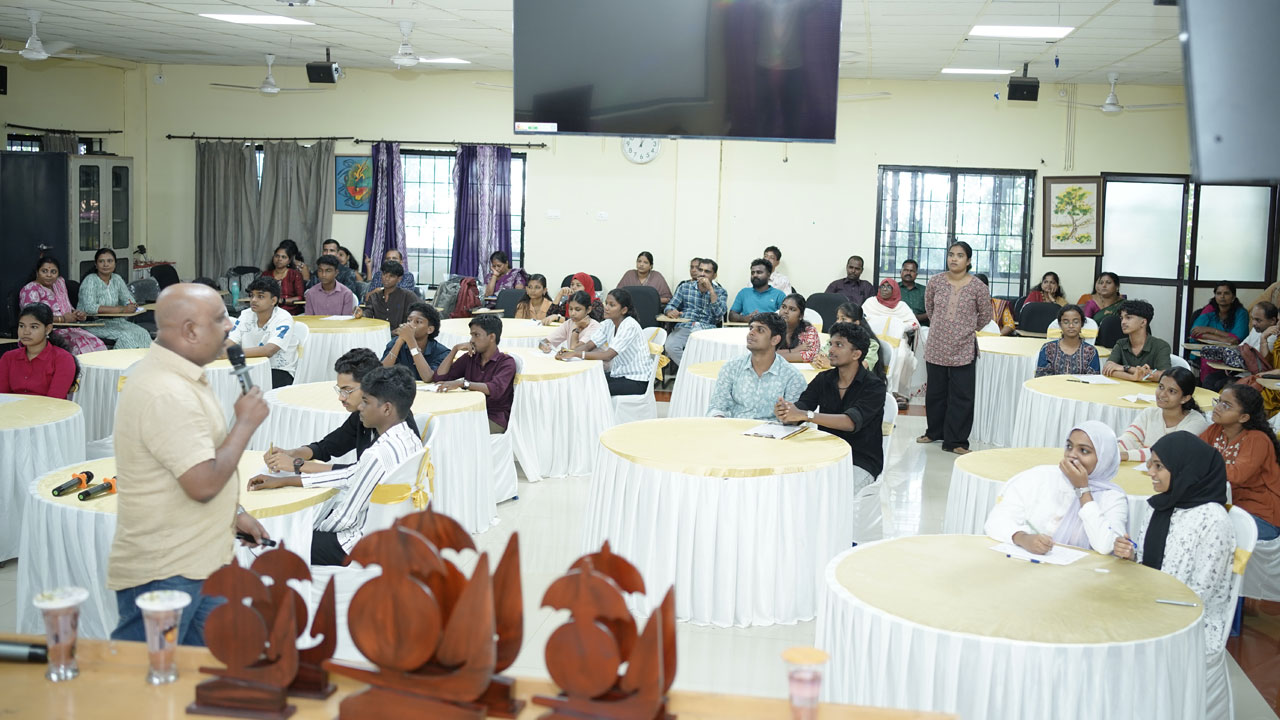
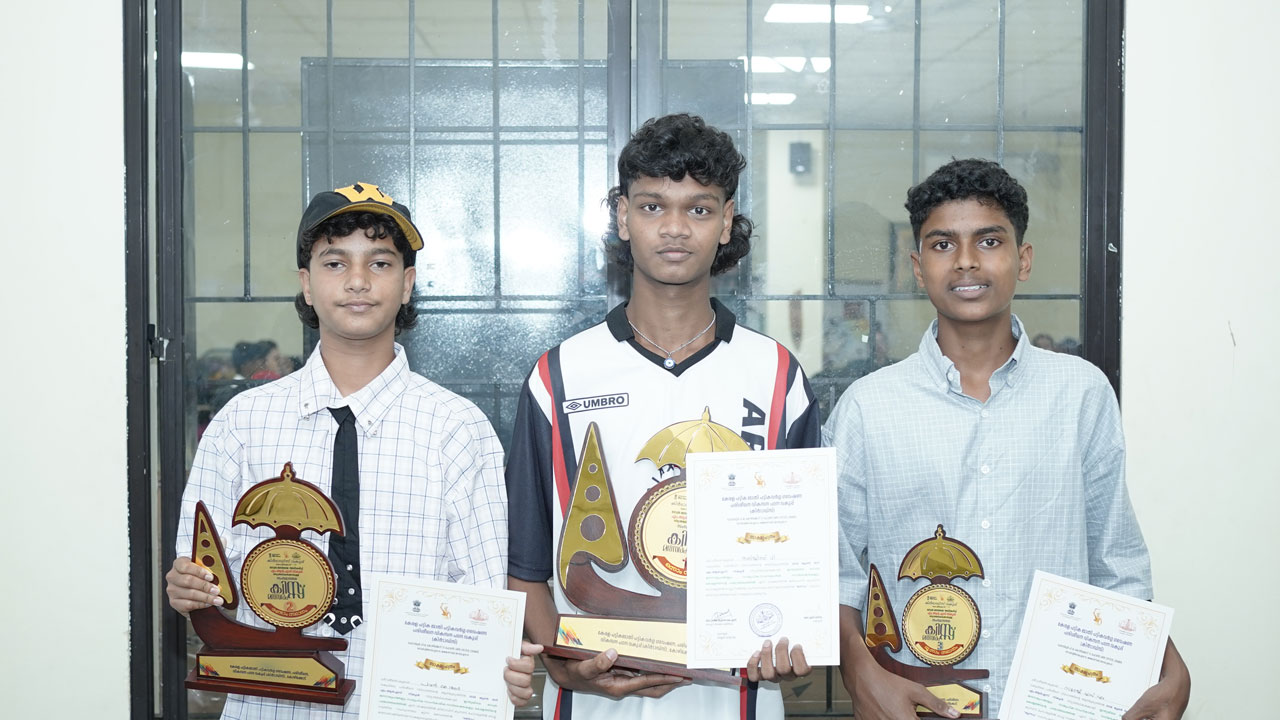
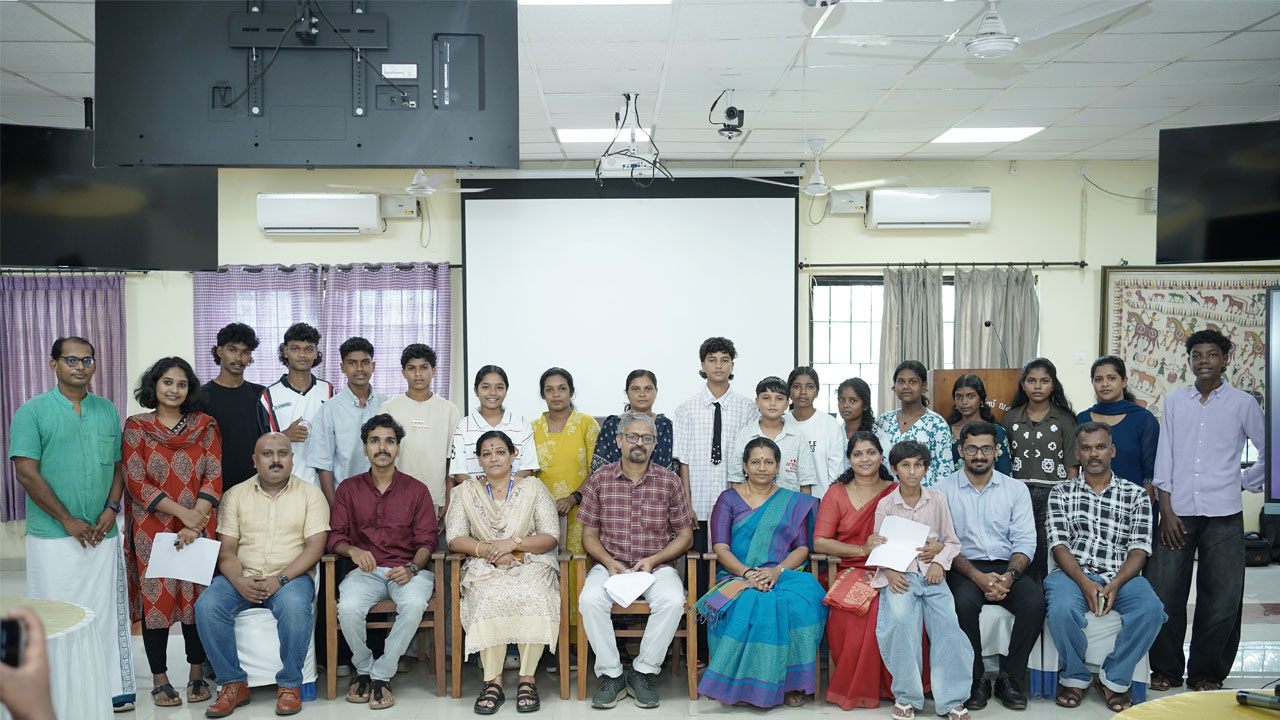
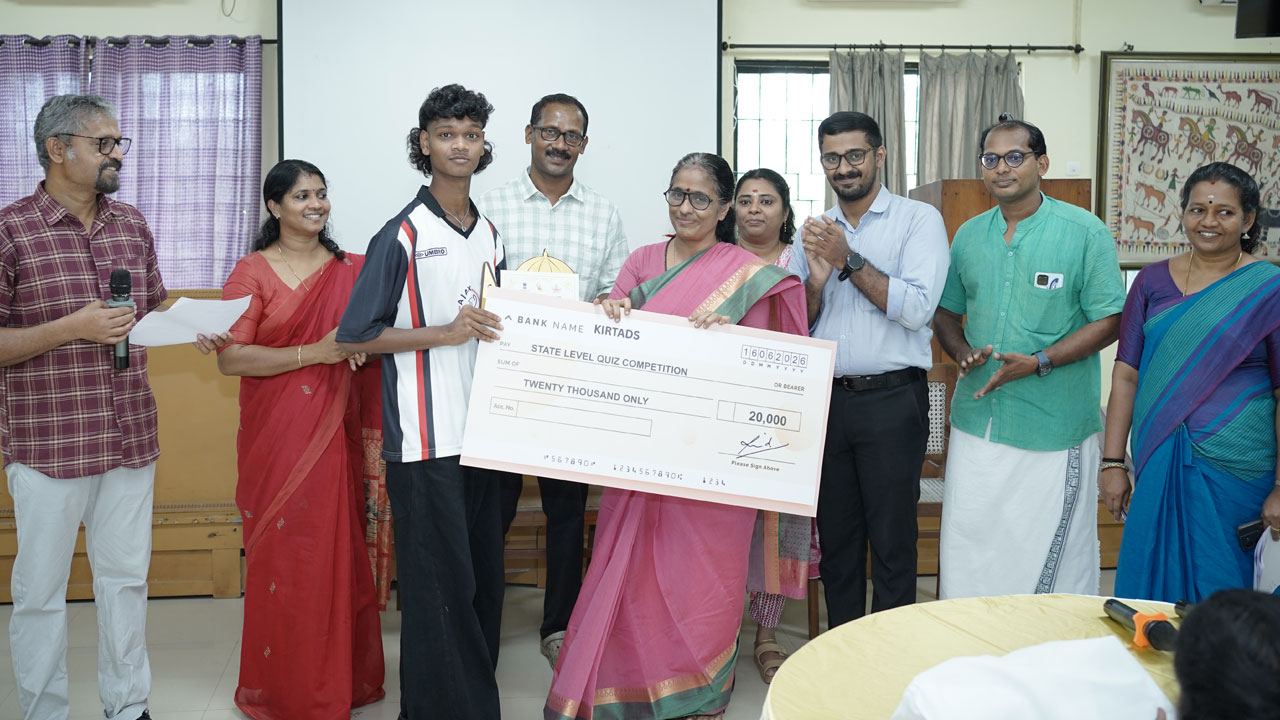
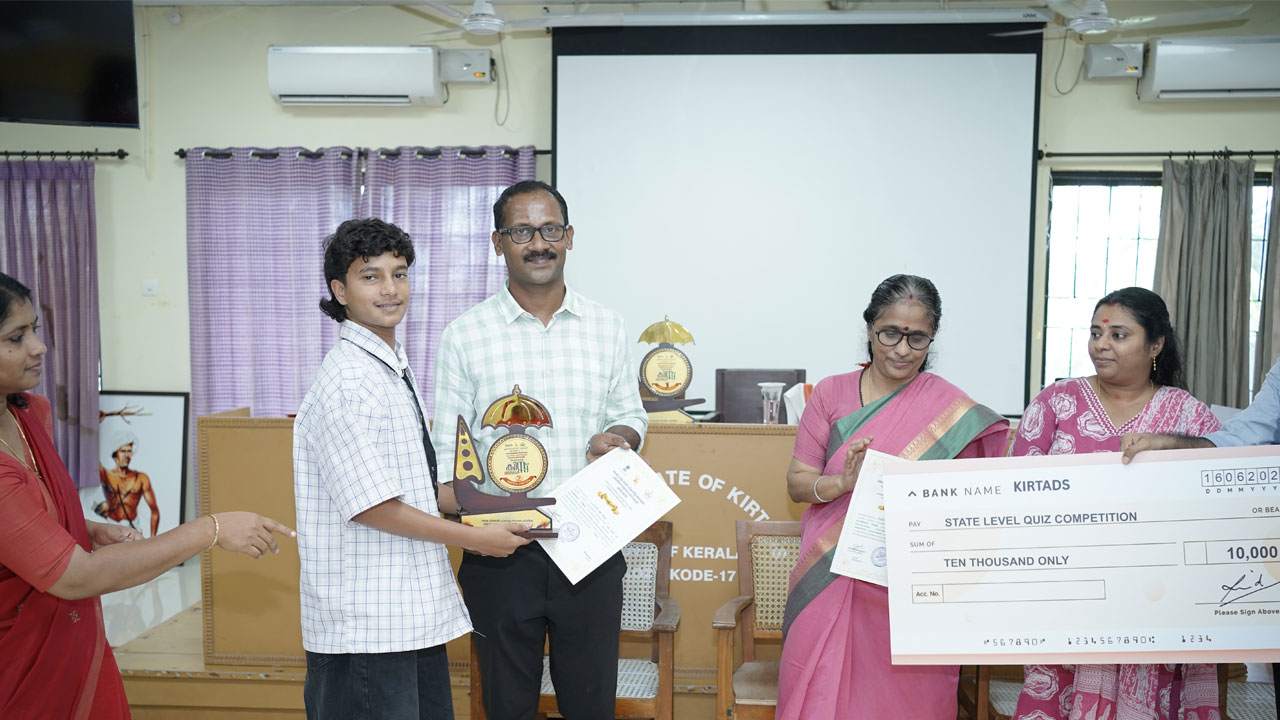
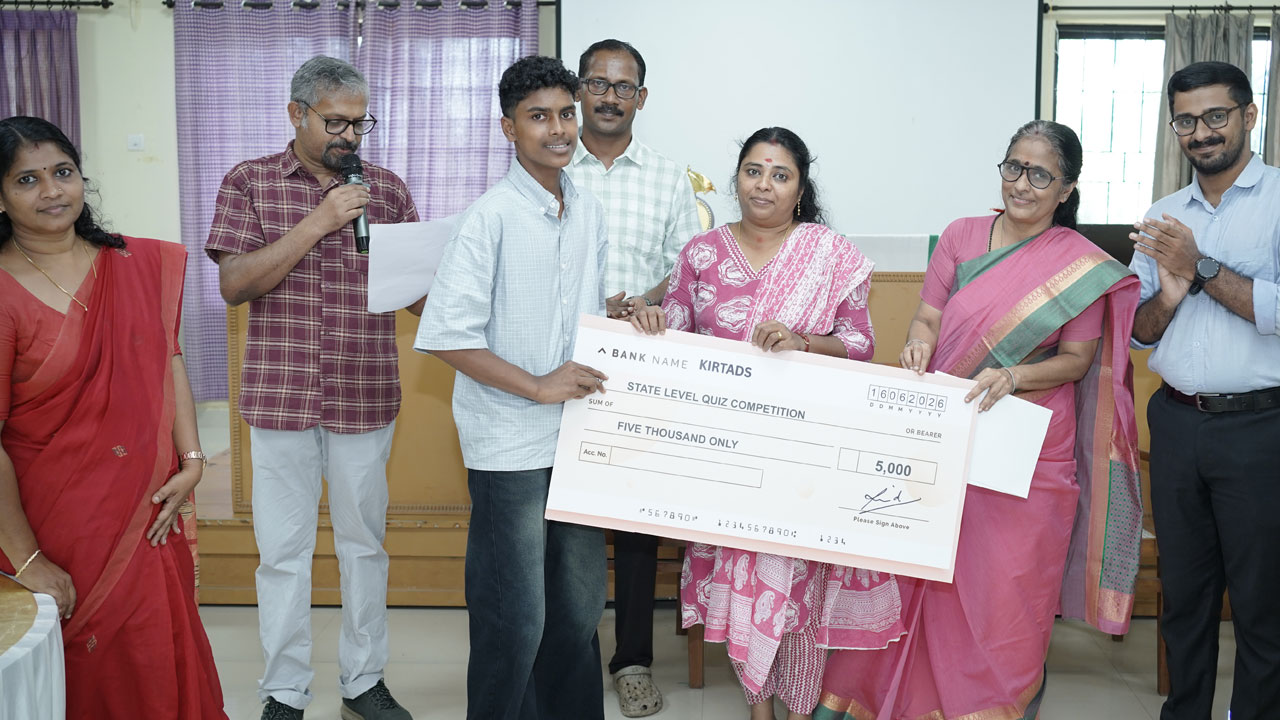
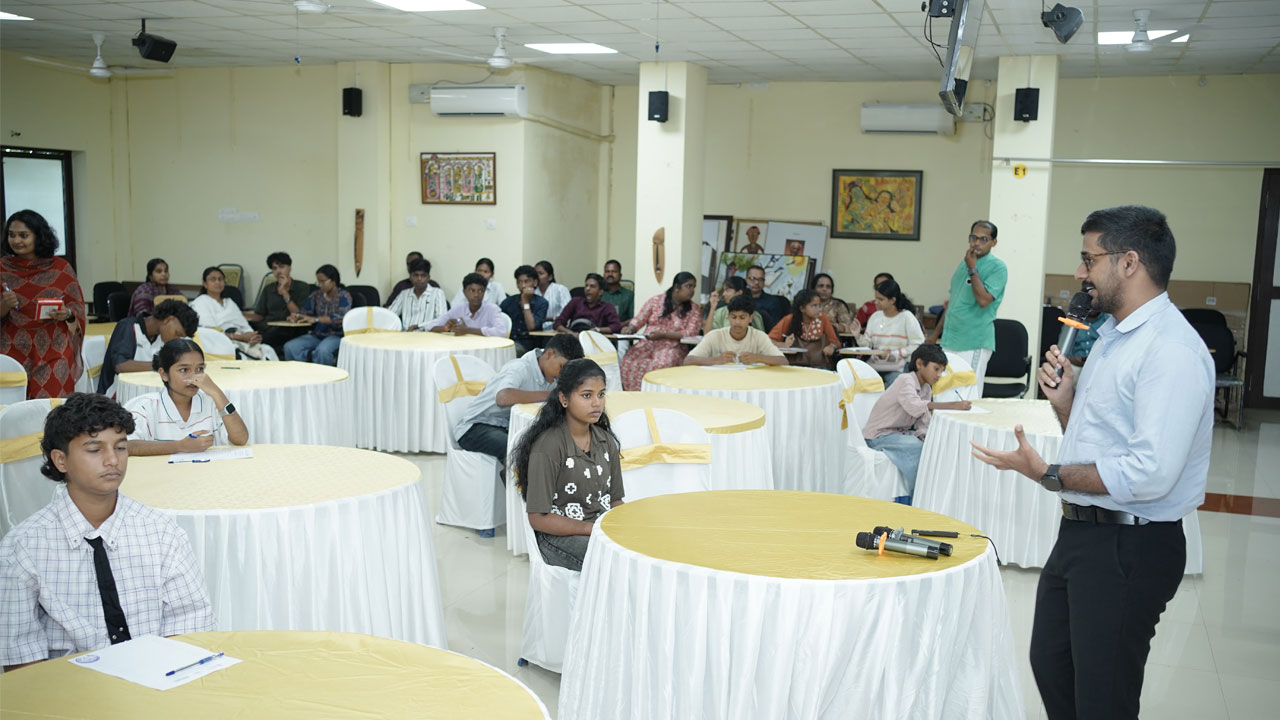
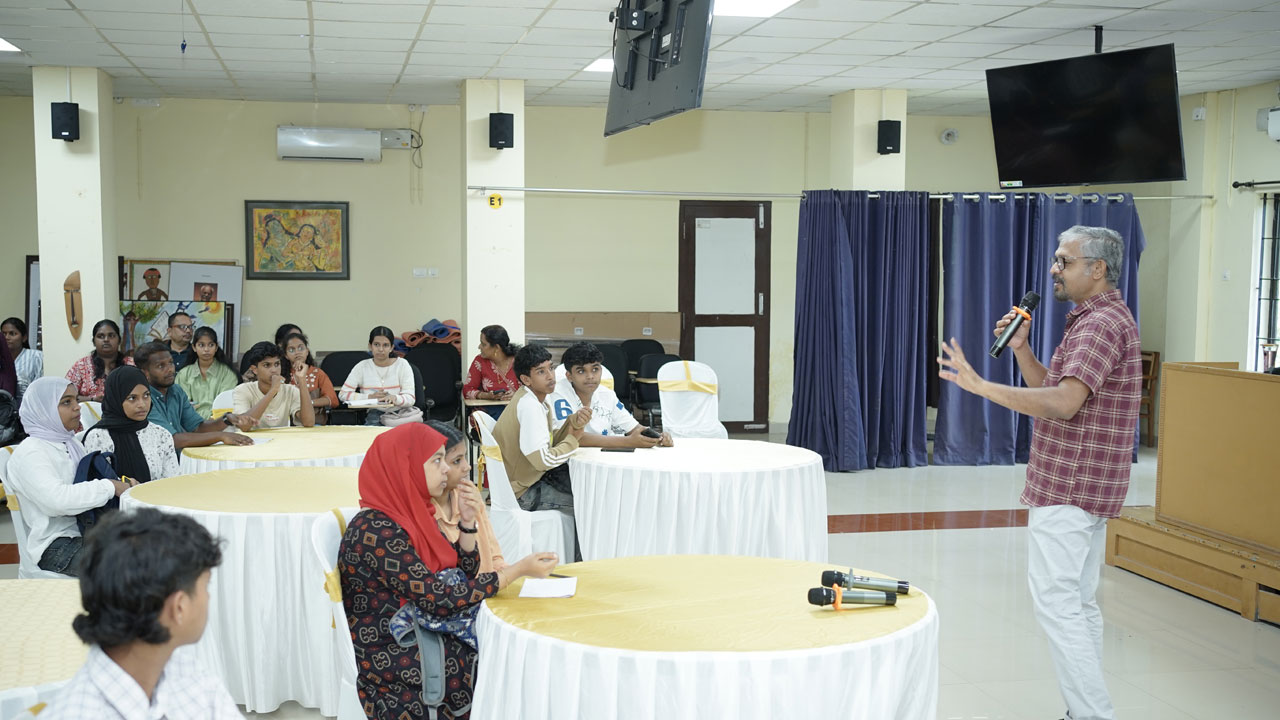
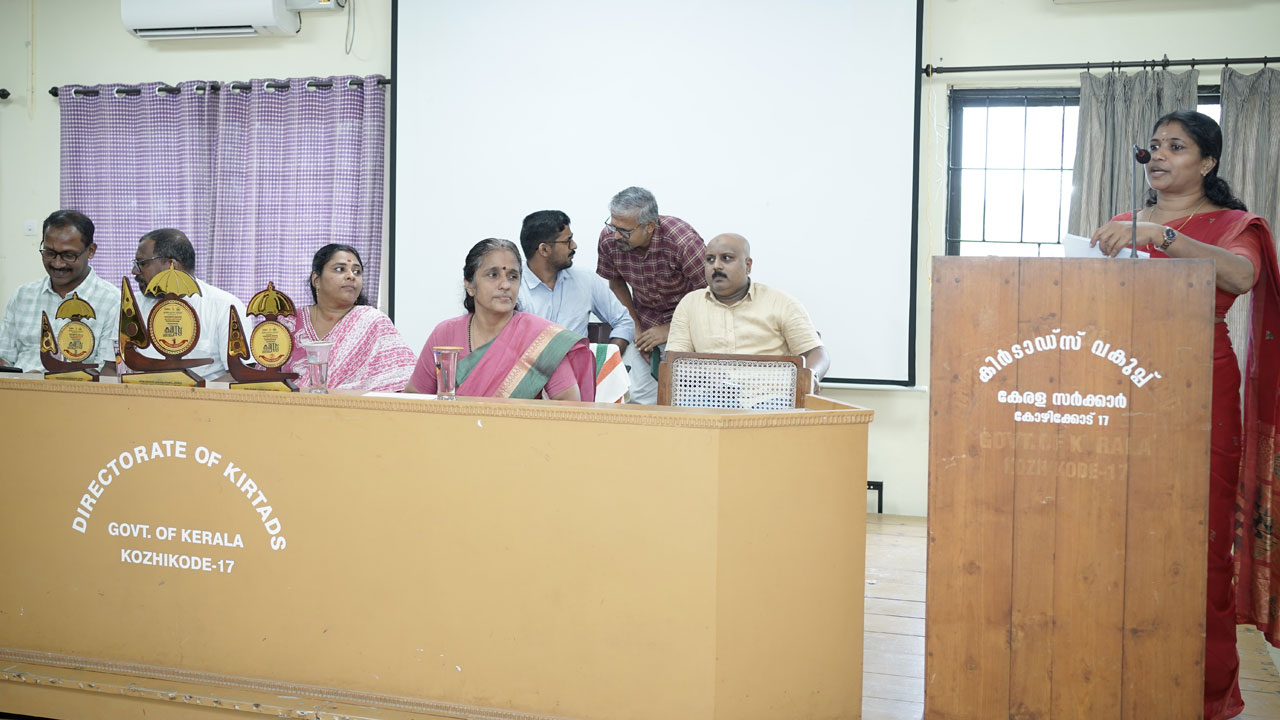
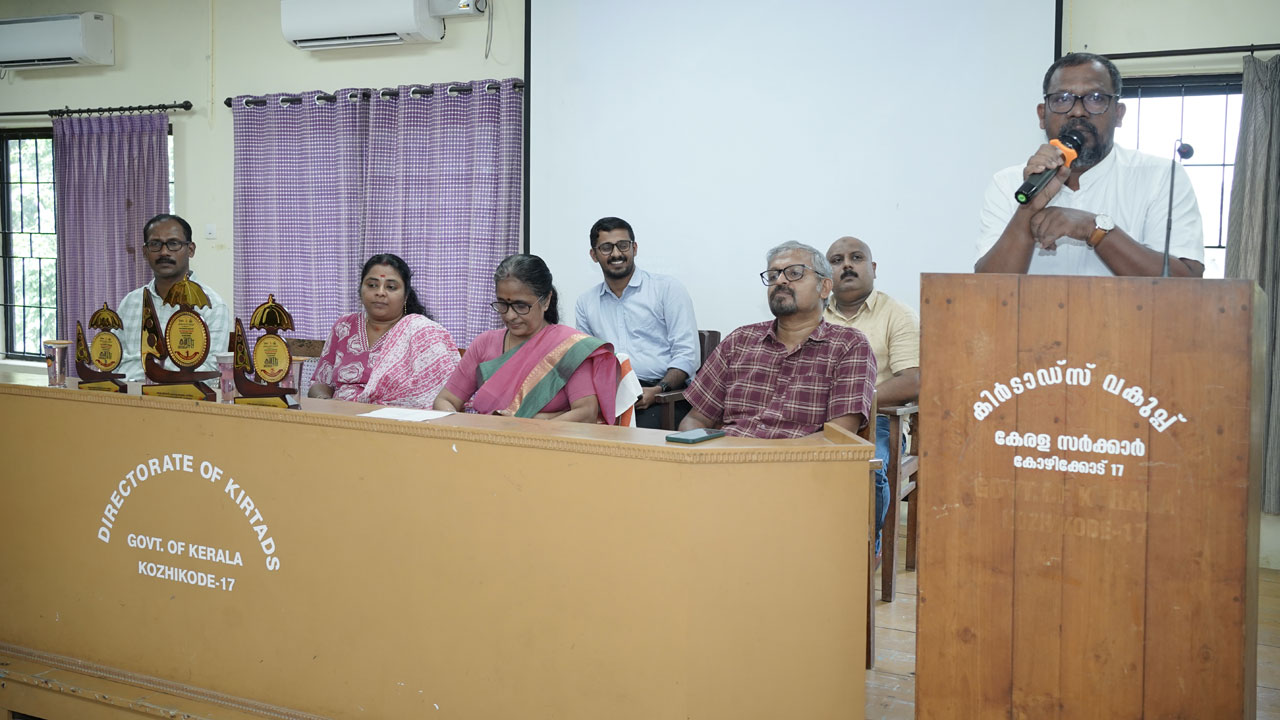
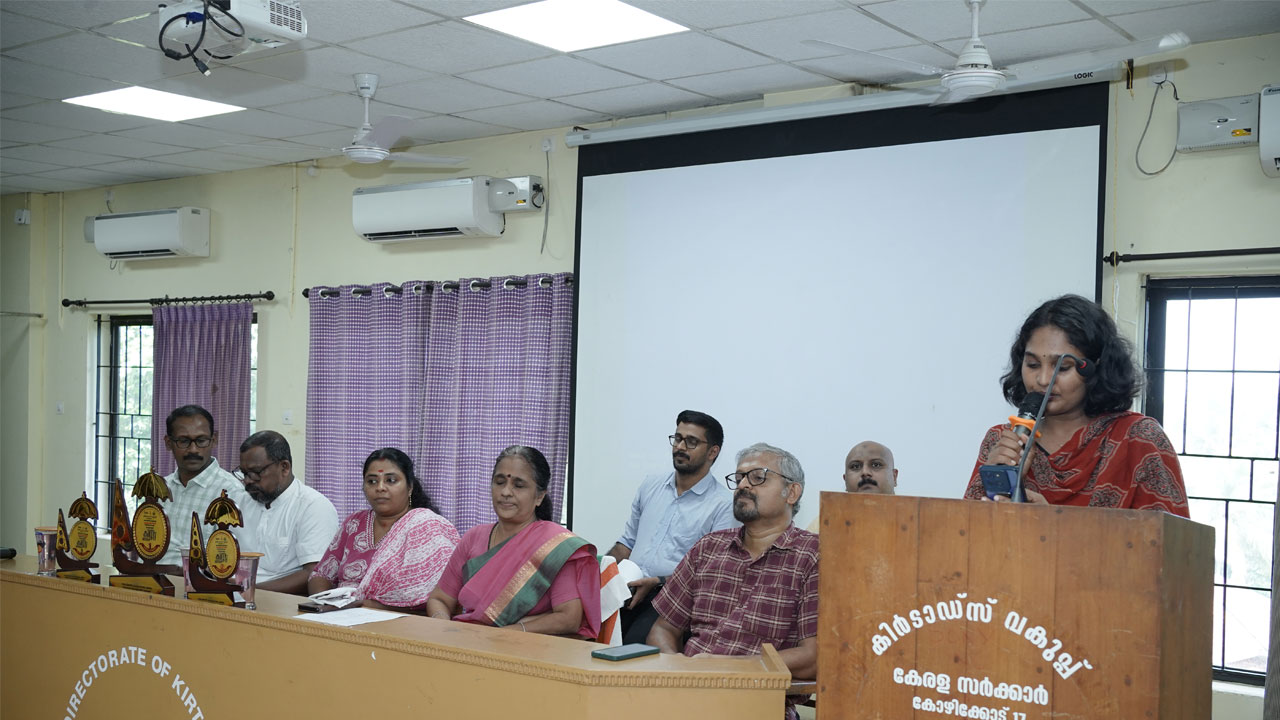
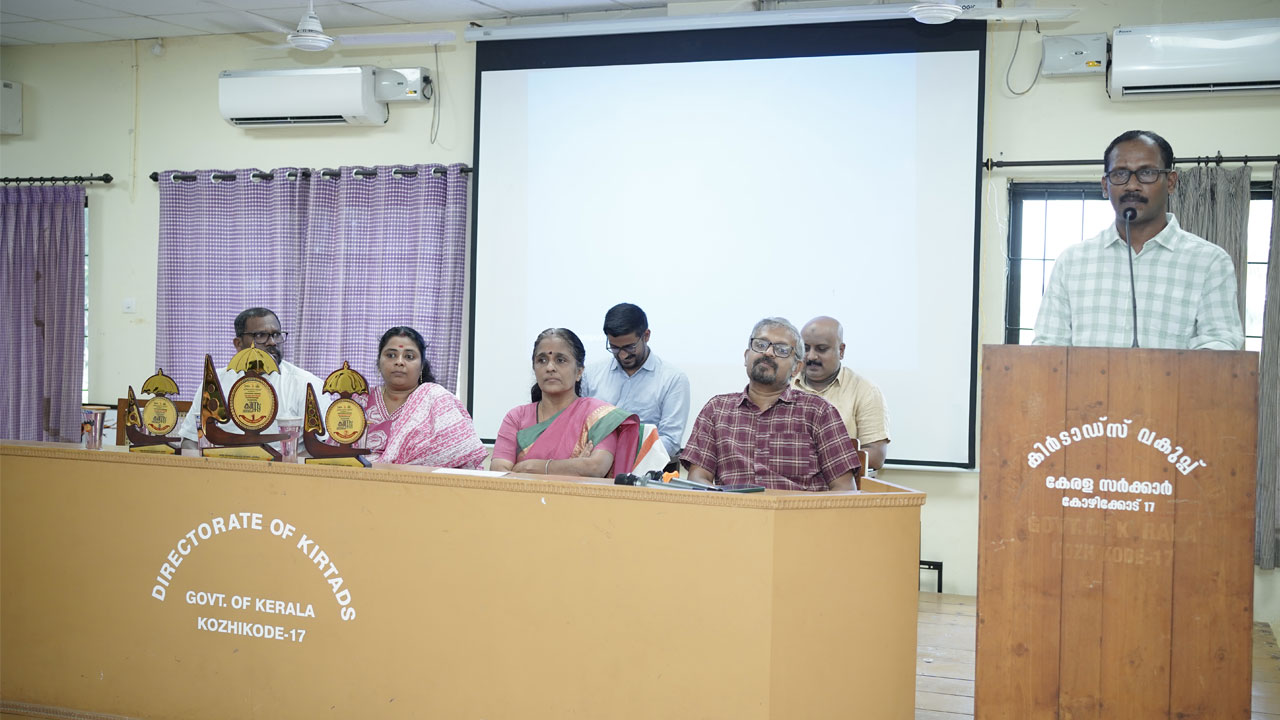
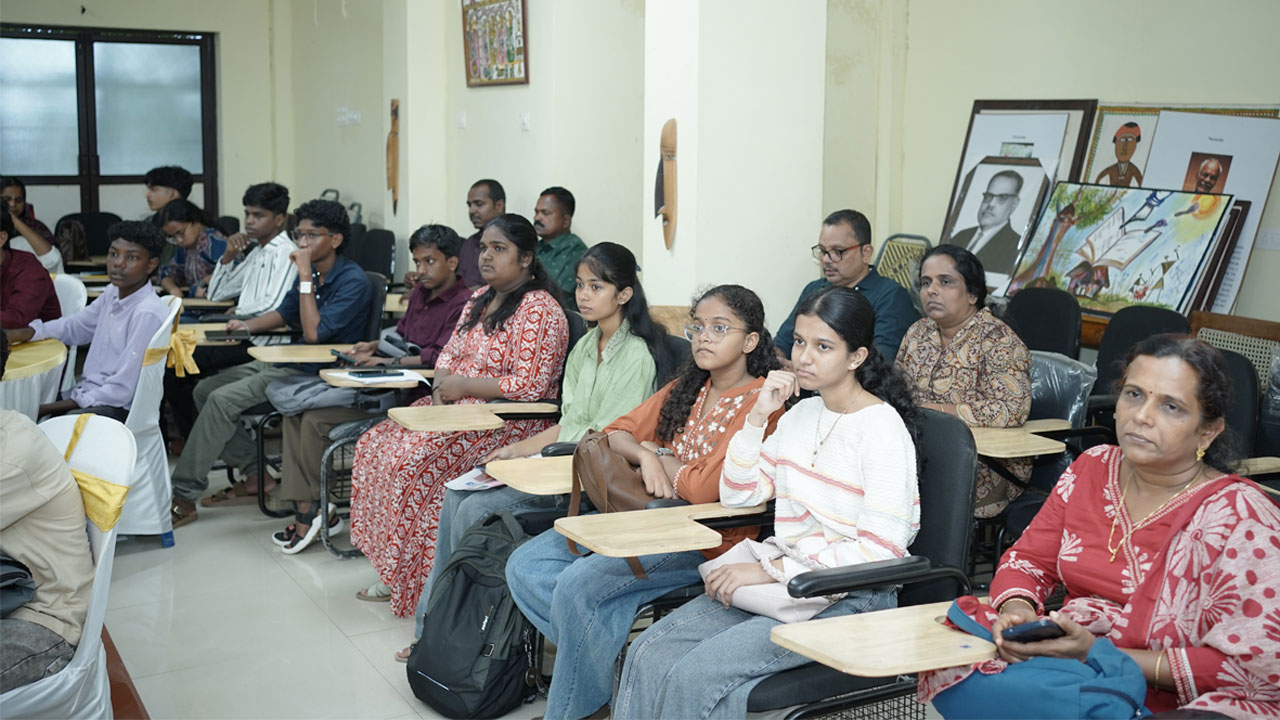
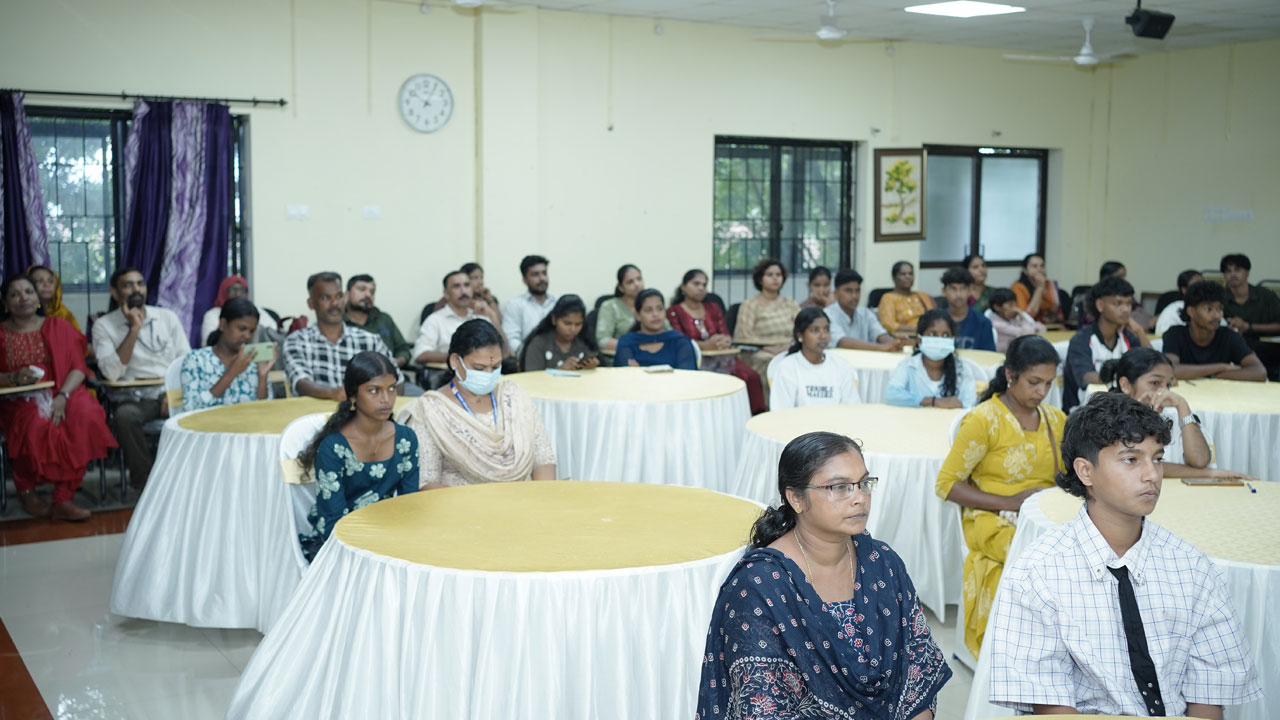
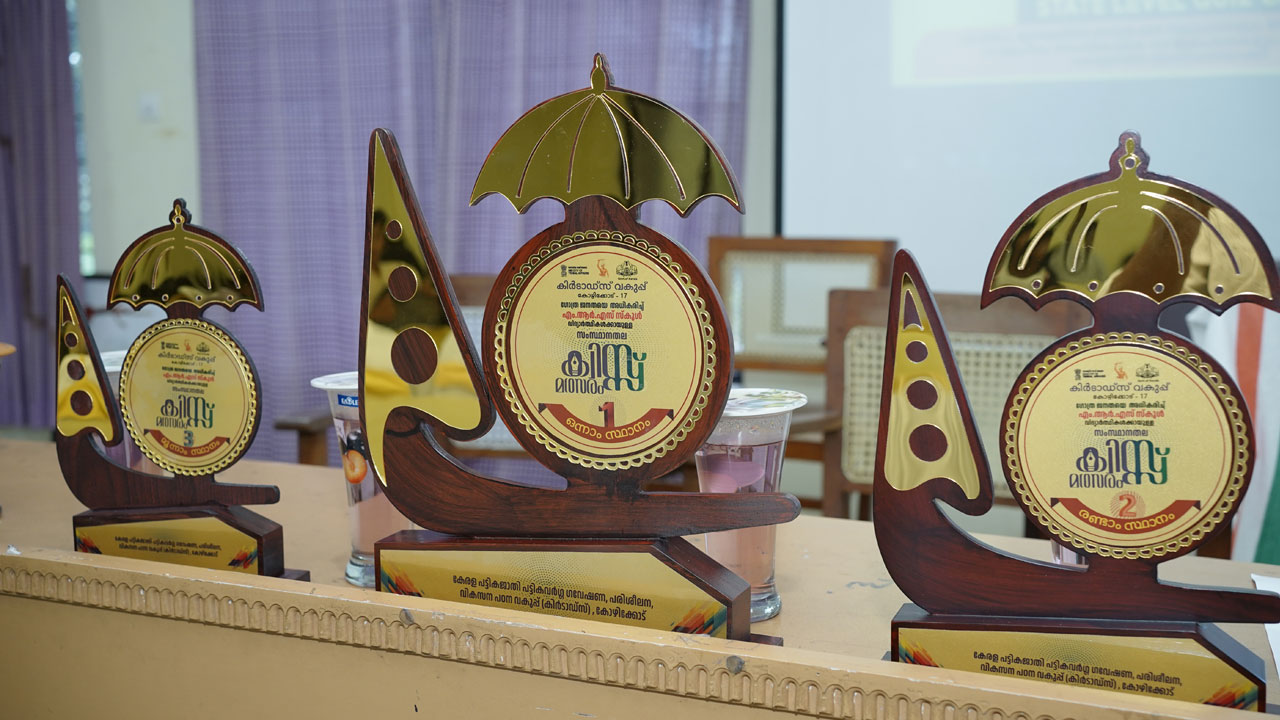
State-Level Winners
1. Higher Secondary School (HSS) Category
• First Place: Fasiha Maryam V.A., Fathima Naja K. (IOHSS Edavanna)
• Second Place: Parvana P.S., Saranya N. (GHSS Hosdurg)
• Third Place: Vaishnav Dev S., Harinarayanan M.R. (GMBHSS Attingal)
2. Model Residential School (MRS) Category
• First Place: Abhijith V. (Asramam HSS, Malampuzha)
• Second Place: Pavan K.R. (EMRS, Pookode)
• Third Place: Sooraj S.M. (MRS, Kulathupuzha)
3. College Category
• First Place: Adwait M.S., Navaneeth Suresh (Government Law College, Kozhikode)
• Second Place: Anugrah V.K., Nithya Paulose (UC College, Ernakulam)
• Third Place: Reyna Shirin C.A., Hanusha V. (Mercy College, Palakkad)
Prizes and Impact
In each category, the teams securing the first position were awarded ₹30,000 and a plaque, the second-place teams received ₹10,000 and a plaque, and the third-place teams were presented with ₹5,000 and a plaque. Certificates were also distributed to all the winners.
The program achieved remarkable success in broadening students’ knowledge of the history, culture, traditional knowledge, social organization, and lifestyles of tribal communities. Through the knowledge-based learning methodology of quizzing, the initiative successfully fostered a sense of respect and social responsibility toward tribal communities among the students.
As part of this initiative, several educational institutions have set up new quiz clubs, and measures have been taken to strengthen the activities of existing ones. Teachers and institutional heads noted that the program effectively helped students gain valuable knowledge beyond their regular textbooks.